Guide8 min read
What Is an EMP Attack and Why Should You Care?
An EMP could destroy every electronic device in your home in milliseconds. Here is what you need to know and how to protect yourself.
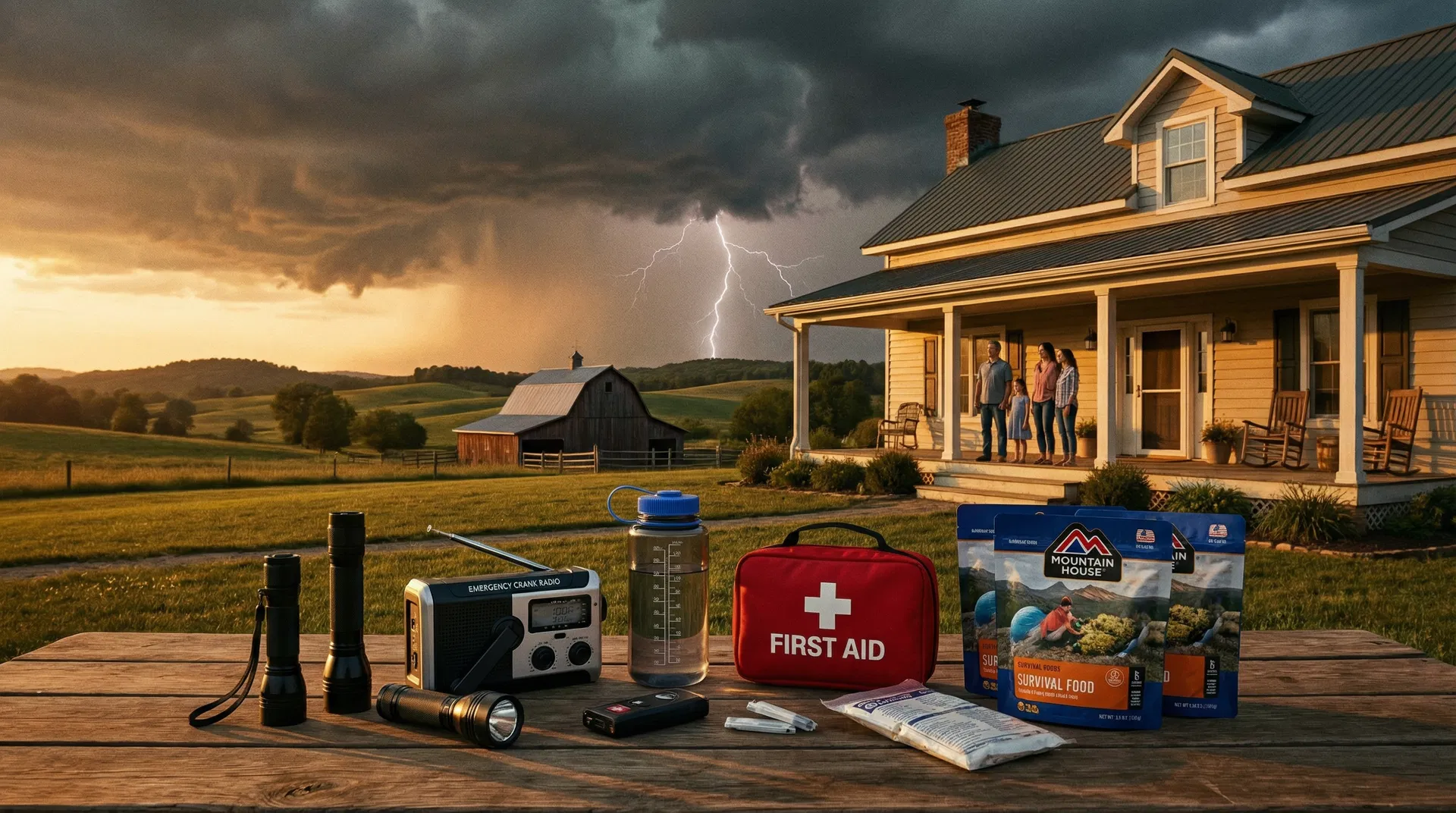
Hurricane season runs from June through November, with peak activity in August and September. Whether you live in a coastal area or an inland region that can be affected by tropical storms, having a comprehensive preparedness plan before hurricane season begins can mean the difference between a manageable disruption and a life-threatening crisis.
The time to prepare is not when a storm is 48 hours away — store shelves will be empty and prices will be inflated. Build your supplies during the off-season when you have time to shop carefully and compare prices.
Water is your first priority. Store one gallon per person per day for at least two weeks. For a family of four, that is 56 gallons. Five-gallon water jugs are the most practical storage format. A WaterBOB bathtub liner ($30) can store up to 100 gallons of tap water when you know a storm is coming.
Food storage should cover at least two weeks without power. Focus on foods that require no cooking or minimal preparation: canned goods (with a manual can opener), peanut butter, crackers, dried fruit, nuts, and freeze-dried meals. Emergency food from companies like 4Patriots or My Patriot Supply is ideal because it has a 25-year shelf life and requires only water to prepare.
When a hurricane watch is issued for your area, begin your final preparations. Fill your vehicle's gas tank — gas stations will run out quickly. Fill your bathtub with water using a WaterBOB if you have one. Charge all devices and backup batteries. Withdraw cash from the ATM. Secure or bring inside any outdoor furniture, decorations, or equipment that could become projectiles in high winds. Review your evacuation route and have a destination in mind.
Stay indoors and away from windows. If you lose power, use flashlights rather than candles to reduce fire risk. Do not use generators, grills, or camp stoves indoors — carbon monoxide poisoning is a leading cause of storm-related deaths. Monitor weather updates on a battery-powered or hand-crank radio.
Do not assume the danger is over when the wind stops. Floodwaters can be contaminated with sewage and chemicals — do not walk or drive through standing water. Do not use tap water until authorities confirm it is safe. Report downed power lines to your utility company and stay well away from them. Document all damage with photos before beginning cleanup, for insurance purposes.
An EMP could destroy every electronic device in your home in milliseconds. Here is what you need to know and how to protect yourself.
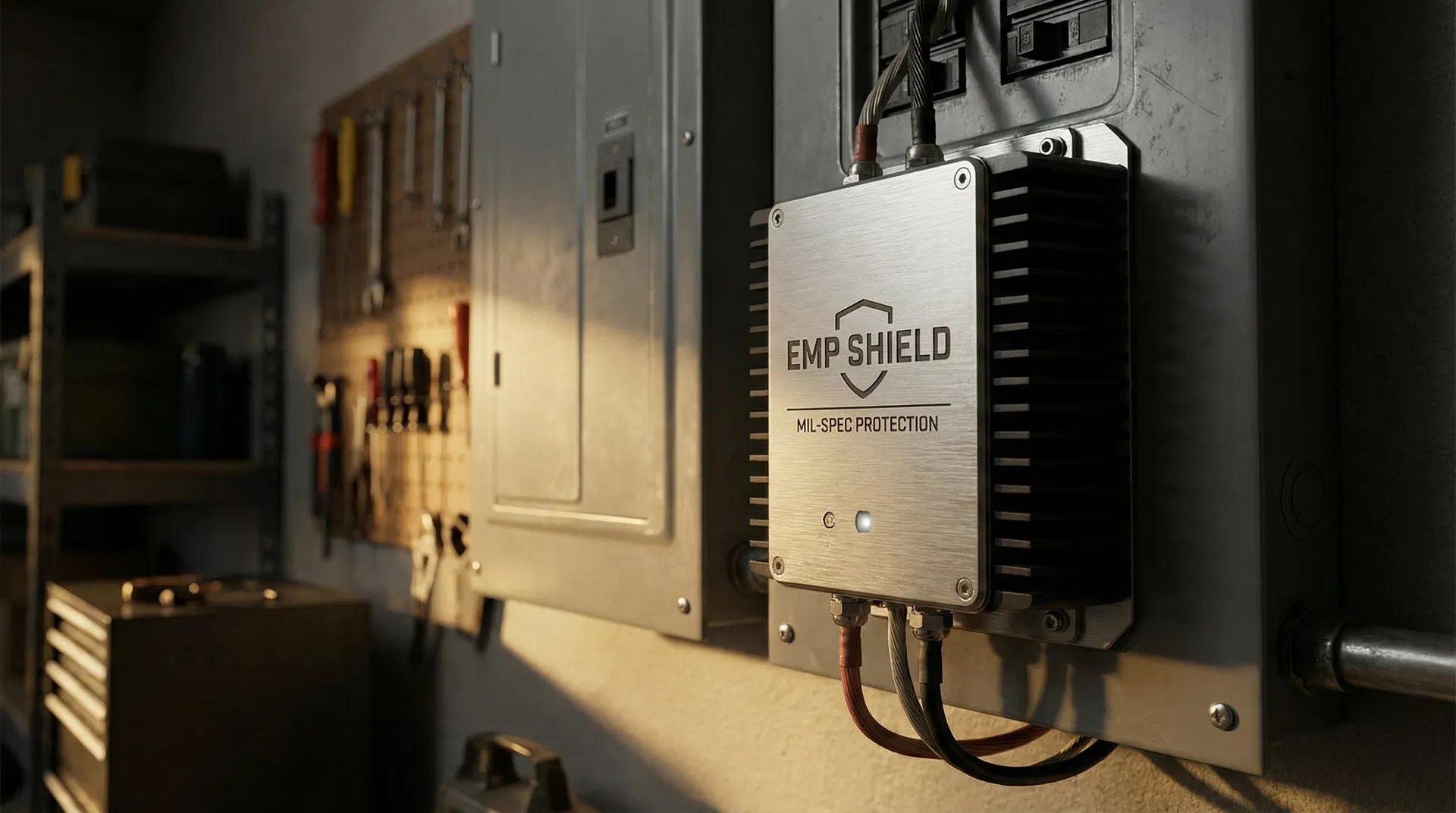
A practical, step-by-step guide to EMP-proofing your home — from whole-home protection devices to Faraday cages and backup power.
Everything you need in a 72-hour emergency kit — food, water, shelter, communication, and medical — with a complete checklist.