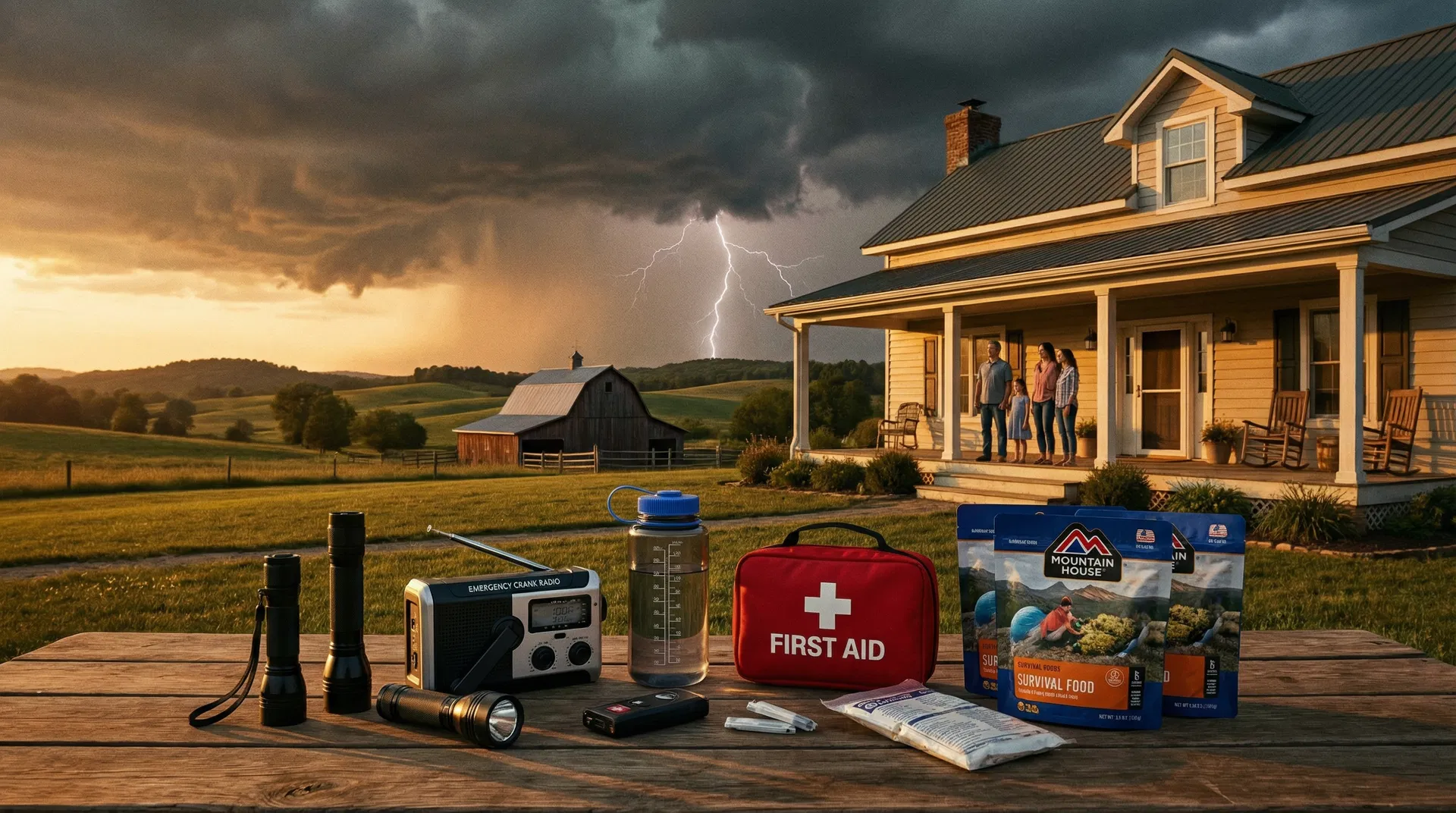
Guide8 min read
What Is an EMP Attack and Why Should You Care?
An EMP could destroy every electronic device in your home in milliseconds. Here is what you need to know and how to protect yourself.
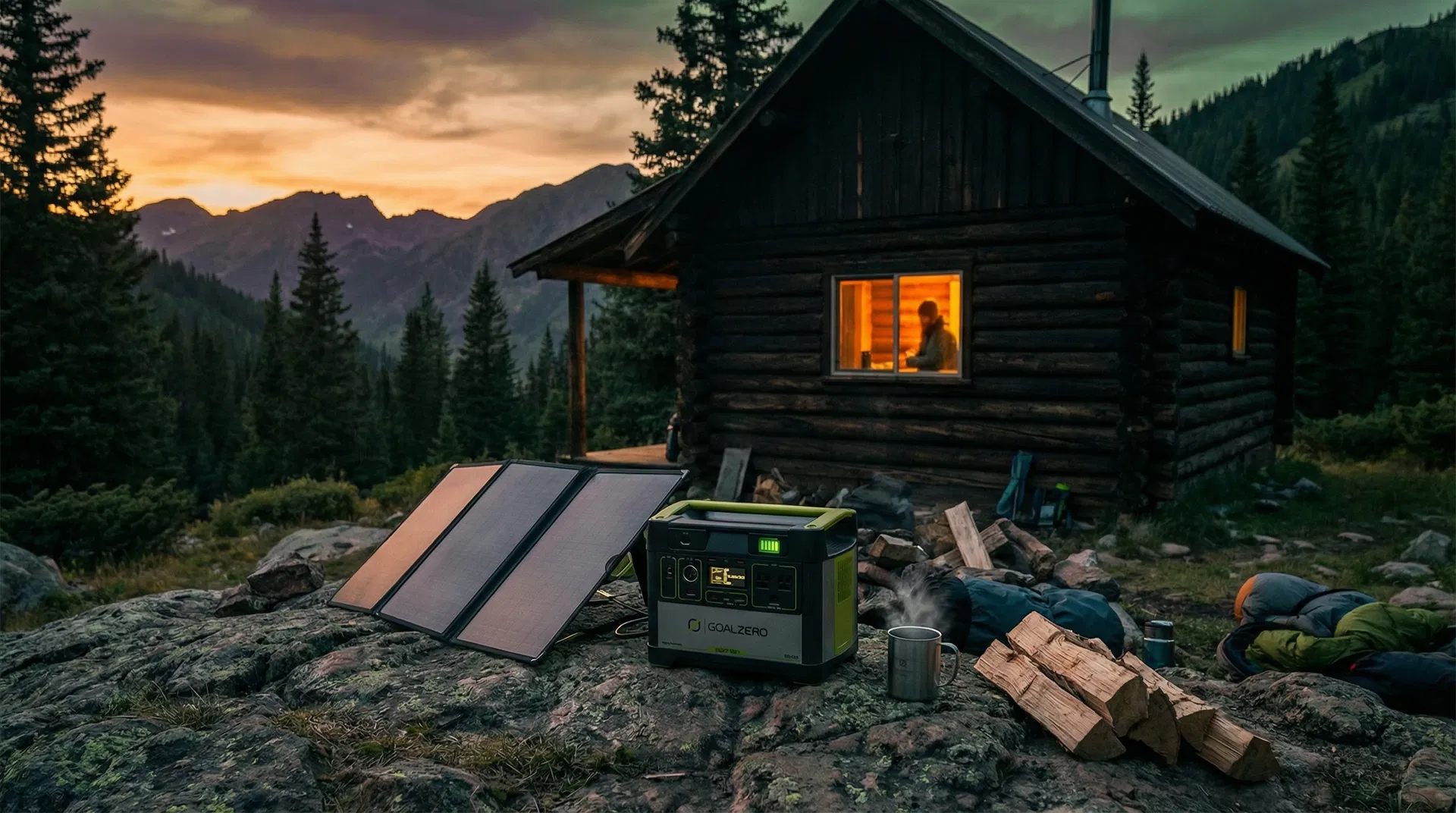
The average American household is far less prepared for a prolonged power outage than most people realize. We have become deeply dependent on electricity for nearly every aspect of daily life — food storage, water access, heating and cooling, communication, and medical care. Understanding exactly where the vulnerabilities are is the first step to addressing them.
In the first 24 hours of a power outage, most people are inconvenienced but not in danger. Food in the refrigerator stays safe for about 4 hours if the door is kept closed; food in a full freezer stays safe for 48 hours. Cell phones are charged. Tap water still flows (municipal water systems have backup generators, though these have limited fuel). Most people have enough food in their pantry for several days.
By day two or three, the situation begins to deteriorate for unprepared households. Refrigerated food is spoiling. Grocery stores, which operate on just-in-time inventory with about 3 days of stock, are running low. Gas stations, which require electricity to pump fuel, are running out of gas or have long lines. ATMs are down. Cell networks may be overwhelmed or failing. For people who depend on electrically powered medical devices — oxygen concentrators, insulin refrigeration, CPAP machines — the situation can become life-threatening.
Municipal water systems typically have backup generators, but those generators require fuel. In a widespread, prolonged outage, fuel resupply chains break down, and water pressure may fail within a week. Without running water, sanitation becomes a serious concern. Heating and cooling failures become dangerous in extreme weather — heat stroke and hypothermia are real risks. Hospitals operating on backup power begin to face fuel shortages.
The good news is that with modest preparation, you can extend your family's self-sufficiency from 72 hours to 3 months or more. The key investments are: a 3-month supply of emergency food that requires no refrigeration, a gravity-fed water filter and stored water supply, a solar generator for essential power needs, and a wood stove or propane heater as a backup heating source. None of these require significant wealth — they require planning and the willingness to act before a crisis occurs.
An EMP could destroy every electronic device in your home in milliseconds. Here is what you need to know and how to protect yourself.
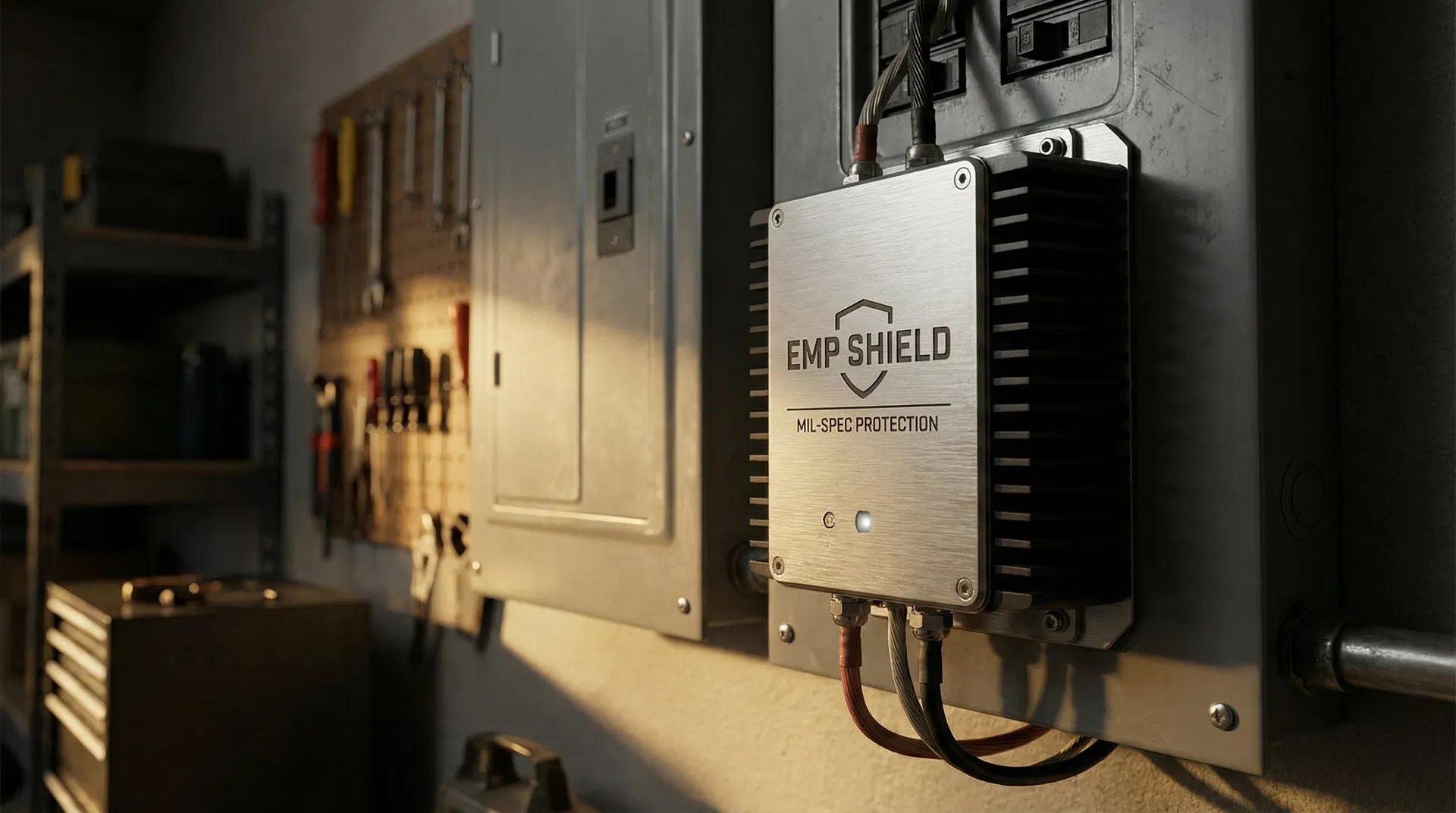
A practical, step-by-step guide to EMP-proofing your home — from whole-home protection devices to Faraday cages and backup power.
Everything you need in a 72-hour emergency kit — food, water, shelter, communication, and medical — with a complete checklist.